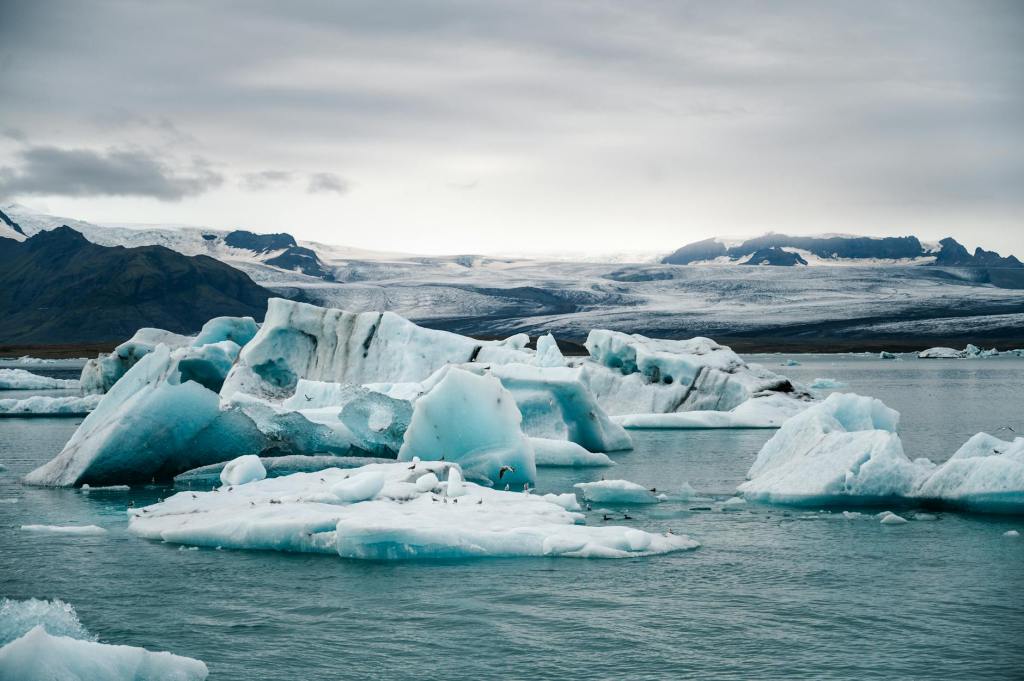
Water is at the heart of life, economies, and ecosystems — but it is also at the center of the climate crisis. As global temperatures rise, the way water is distributed, stored, and consumed is changing drastically. Climate change is no longer a distant threat; it is already reshaping our rivers, lakes, glaciers, and groundwater. In this blog, we’ll explore how climate change impacts water resources, what this means for people and nature, and the steps we must take to adapt.
💧 The Water-Climate Connection
Water is the medium through which many effects of climate change are felt:
- Melting Glaciers: Supplying rivers and communities with freshwater.
- Changing Rainfall Patterns: Leading to droughts in some areas and floods in others.
- Rising Temperatures: Increasing evaporation and water demand.
- Sea Level Rise: Threatening freshwater supplies with saltwater intrusion.
This connection makes water one of the most vulnerable resources in a warming world.
🌡️ Impact 1: Increased Droughts
Climate change is intensifying droughts, particularly in already arid and semi-arid regions.
- Crops fail, threatening food security.
- Rivers and reservoirs dry up, reducing water for drinking and energy.
- Communities are forced to migrate, creating climate refugees.
Case Study: In California, recurring droughts have reduced groundwater reserves and led to widespread water restrictions.
🌊 Impact 2: More Intense Flooding
Rising global temperatures increase the atmosphere’s ability to hold moisture, causing heavier rainfall events.
- Urban areas face destructive flash floods.
- Rural communities lose farmland and livestock.
- Infrastructure damage costs billions annually.
Case Study: In Pakistan (2022), devastating floods displaced millions, showing how climate extremes can overwhelm entire nations.
🏔️ Impact 3: Melting Glaciers and Snowpack Decline
Glaciers act as natural water reservoirs, slowly releasing water throughout the year.
- Shrinking glaciers in the Himalayas threaten water supplies for over a billion people.
- Reduced snowpack in mountains limits freshwater availability during summer months.
🌊 Impact 4: Sea Level Rise and Saltwater Intrusion
As oceans rise, saltwater seeps into freshwater aquifers and rivers.
- Coastal cities and farmlands face reduced access to clean water.
- Island nations risk losing their freshwater sources entirely.
Case Study: In Bangladesh, saltwater intrusion into groundwater has harmed crops and increased health risks from contaminated drinking water.
🌱 Impact 5: Ecosystem Disruption
- Wetlands, rivers, and lakes are drying up or becoming polluted.
- Fish populations decline as water temperatures rise.
- Biodiversity loss accelerates, disrupting food chains and local economies.
⚠️ Human Consequences
- Food Security: Reduced water availability means smaller harvests and higher food prices.
- Health Risks: Waterborne diseases spread more easily in flood and drought conditions.
- Conflict: Competition over scarce water resources intensifies political and social tensions.
🌐 Adapting to the New Water Reality
- Water-Efficient Agriculture: Techniques like drip irrigation and climate-resilient crops.
- Urban Water Management: Building flood defenses and investing in wastewater recycling.
- Protecting Ecosystems: Restoring wetlands and rivers to buffer climate extremes.
- Policy and Cooperation: Global collaboration to manage shared water resources.
- Individual Action: Conserving water, reducing carbon footprints, and supporting sustainable practices.
✅ Final Thought
Climate change is rewriting the story of our water resources. From drought-stricken fields to flooded cities, no region is untouched. Yet by acknowledging these challenges and taking proactive steps, humanity can adapt and build resilience. Water is life — and protecting it in the face of climate change is one of the greatest responsibilities of our time.


 Water Pubs – Knowledge, Insights & Awareness
Leave a comment