
Sustainability has become one of the most pressing goals of our time. From renewable energy to reducing plastic waste, countless initiatives aim to protect the planet for future generations. Yet at the heart of all sustainable living practices lies a fundamental element: water. Without understanding and managing our relationship with water, true sustainability is impossible. This blog explores why water awareness is the foundation of sustainable living and how individuals and communities can align their lifestyles with this vital resource.
💧 The Central Role of Water in Sustainability
Water connects every aspect of life. From agriculture to energy, from personal health to global economies, nothing functions without it. Here’s why water is at the core of sustainability:
- Food Production: Agriculture consumes about 70% of global freshwater. Sustainable farming practices depend on efficient water use.
- Energy: Hydropower, cooling in power plants, and biofuels all rely on water.
- Health and Hygiene: Safe water access is essential for sanitation and public health.
- Ecosystems: Rivers, lakes, and wetlands sustain biodiversity and regulate climate patterns.
By becoming water-aware, we recognize that every sustainable action we take ultimately connects back to water.
🌍 Water Awareness: The First Step Toward Sustainable Living
- Conservation at Home – Small habits like fixing leaks or reducing shower time reduce strain on freshwater supplies.
- Mindful Consumption – Every product has a “water footprint,” from the clothes we wear to the food we eat.
- Waste Reduction – Preventing pollution ensures our limited water resources remain clean.
- Community Responsibility – Awareness fosters local initiatives like rainwater harvesting, river clean-ups, and water recycling.
⚠️ The Cost of Ignoring Water Awareness
When water is overlooked in sustainability discussions, the consequences are severe:
- Water Scarcity: By 2050, over half the world’s population may face shortages.
- Climate Stress: Extreme weather events, like floods and droughts, intensify water-related challenges.
- Biodiversity Loss: Polluted or diminished water sources endanger countless species.
- Health Risks: Unsafe water leads to diseases, malnutrition, and reduced life expectancy.
Ignoring water is not just an environmental risk — it is a threat to human survival.
🌱 How Individuals Can Align Their Lifestyles with Water Awareness
- Diet Choices: Eating more plant-based meals reduces the water footprint compared to meat-heavy diets.
- Sustainable Fashion: Supporting brands that use eco-friendly production methods minimizes hidden water consumption.
- Water-Smart Homes: Installing low-flow fixtures, using greywater systems, and harvesting rainwater.
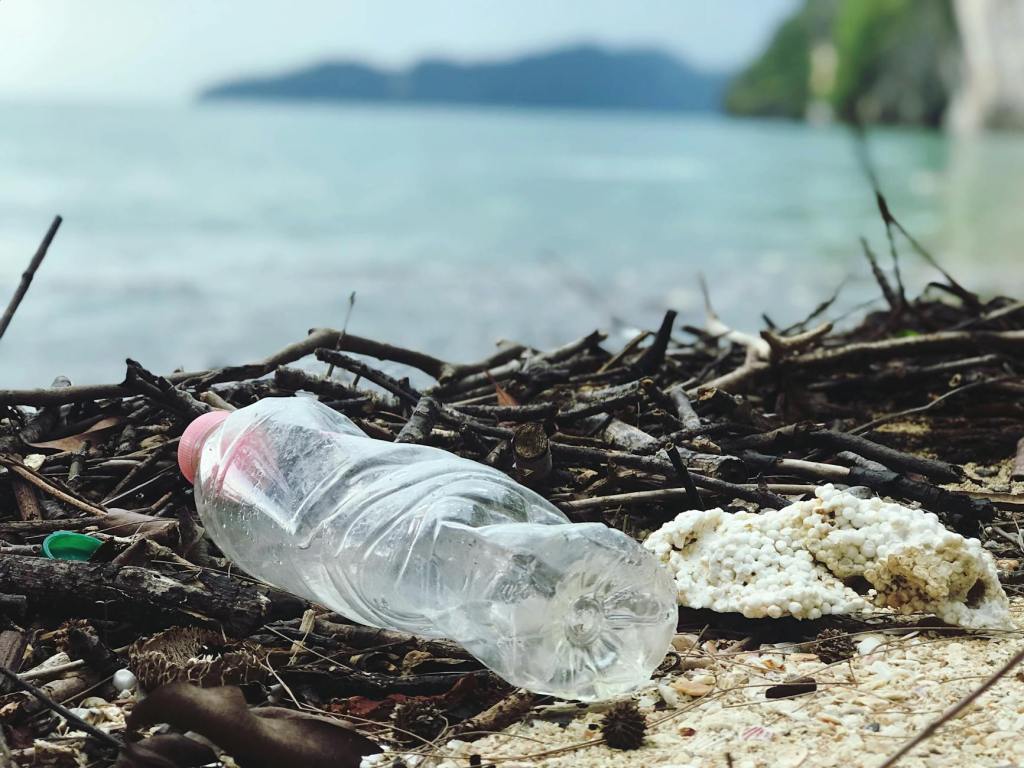
- Plastic-Free Living: Reducing single-use plastics prevents rivers and oceans from being choked with waste.
📚 Case Study: Cape Town’s “Day Zero”
In 2018, Cape Town, South Africa, faced the possibility of turning off its municipal water supply due to extreme drought. Citizens were forced to limit daily water use to just 50 liters per person. This crisis highlighted how water awareness is not optional — it is essential for survival.
Lesson Learned: Proactive water awareness and conservation can prevent crises before they occur.
🌐 The Global Perspective
Water awareness is not limited to water-scarce regions. Even in water-rich countries, unsustainable practices threaten long-term availability. Global collaboration is necessary:
- Governments must implement policies for efficient water use.
- Businesses should adopt water-responsible supply chains.
- Communities need to engage in grassroots conservation efforts.
✅ Final Thought
Sustainable living begins with water because water sustains everything else. Without awareness of how we use and protect this resource, no sustainability effort can truly succeed. By making conscious choices in our daily lives, supporting water-smart policies, and spreading awareness, we can create a foundation for a more resilient and sustainable future.





 Water Pubs – Knowledge, Insights & Awareness
Leave a comment