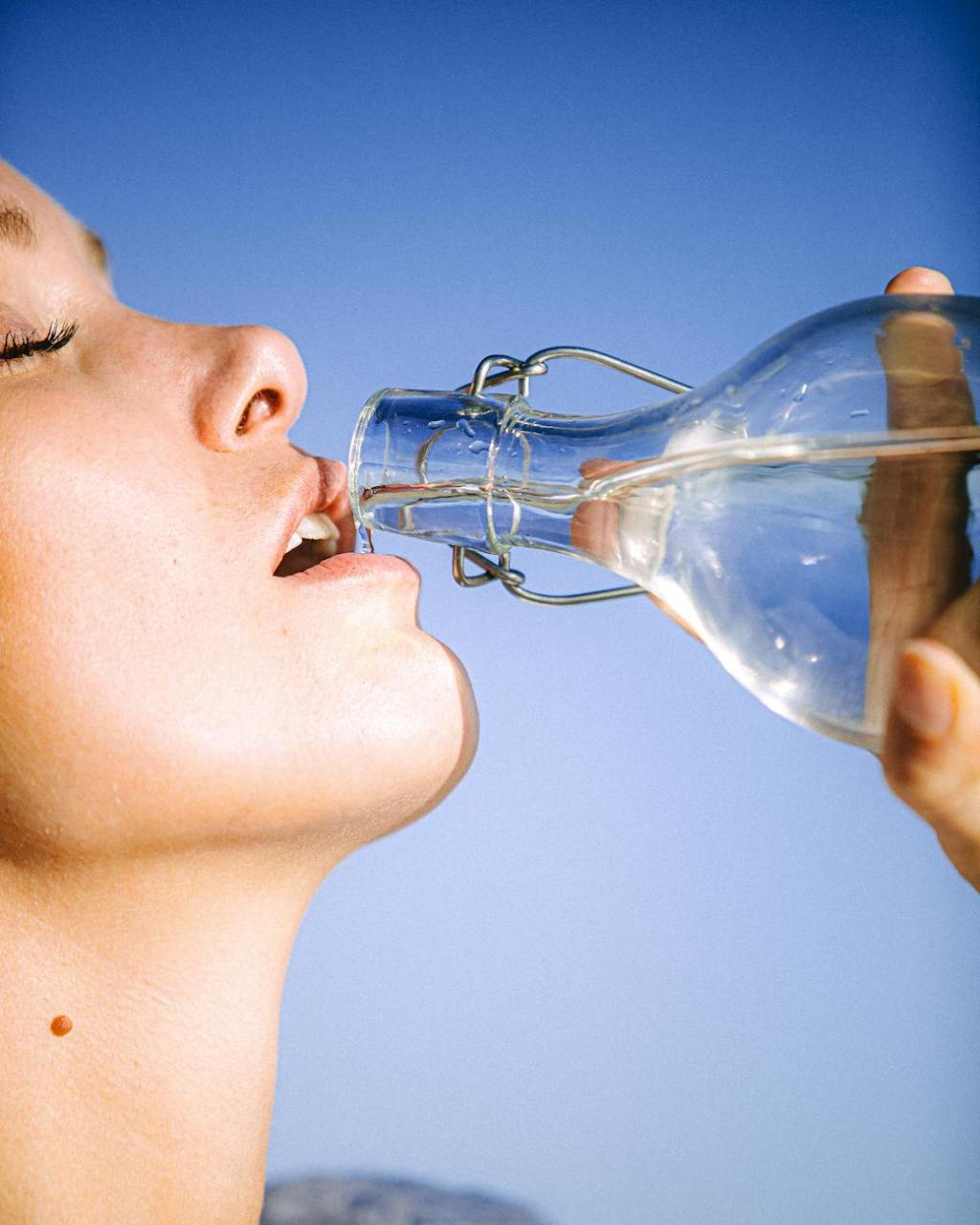
Water is the foundation of life. From the cells in our body to the ecosystems that sustain us, water plays a vital role in human survival, growth, and well-being. Yet, despite being one of the most basic human needs, millions of people around the world still lack access to safe and clean drinking water. In this blog, we will explore the profound connection between water and health, the challenges communities face, and the solutions that can help secure a healthier future for all.
🌍 Why Clean Water Matters for Human Health
Clean water is not just a convenience — it is a necessity. Our bodies are composed of around 60% water, and every organ relies on it to function properly. Beyond hydration, safe water impacts nearly every aspect of human health:
- Disease Prevention: Access to clean water prevents waterborne diseases such as cholera, typhoid, and dysentery.
- Nutrition: Water is essential for growing food, preparing meals, and maintaining healthy diets.
- Hygiene and Sanitation: Safe water supports personal hygiene, which is crucial for preventing infections and disease outbreaks.
- Mental Well-being: Knowing that water is safe and accessible reduces stress and improves overall quality of life.
⚠️ The Global Water Crisis and Its Health Impact
According to the World Health Organization (WHO), over 2 billion people globally lack access to safely managed drinking water services. The consequences are devastating:
- Waterborne Illnesses: Every year, contaminated water causes around 485,000 deaths from diarrheal diseases.
- Child Mortality: Unsafe water is a leading cause of child mortality in developing countries.
- Malnutrition: Without clean water for cooking and irrigation, food systems collapse, leading to hunger and malnutrition.
- Gender Inequality: In many regions, women and girls spend hours fetching water, reducing their opportunities for education and work while exposing them to health risks.
🏥 Case Study: The Ripple Effect of Unsafe Water
In rural sub-Saharan Africa, communities often rely on unprotected water sources. Contaminated water leads to frequent diarrheal illnesses, which weaken children and make them more susceptible to malnutrition and stunted growth. Families spend limited income on medical care instead of education or economic development, creating a cycle of poverty and poor health.
This example shows how water and health are interconnected not only on an individual level but also within families, communities, and entire nations.
🔬 Water, Sanitation, and Hygiene (WASH) Programs
To break the cycle of disease and poverty, organizations worldwide promote WASH programs:
- Water: Providing safe, reliable drinking water through wells, purification systems, and rainwater harvesting.
- Sanitation: Building proper toilets and waste management systems to reduce contamination.
- Hygiene: Educating communities on handwashing and safe water practices.
When these three elements come together, they drastically reduce preventable diseases and improve overall community health.
🌡️ Clean Water and Non-Communicable Diseases
While most discussions focus on infectious diseases, clean water also affects non-communicable conditions:
- Kidney Health: Proper hydration reduces the risk of kidney stones and chronic kidney disease.
- Skin Conditions: Clean water prevents skin infections and promotes healthy skin.
- Heat Stress: In hot climates, access to clean water is critical to prevent dehydration and heat-related illnesses.
🌐 Innovative Solutions for Better Health
- Low-cost Water Filters: Affordable filtration systems for rural households.
- Solar-powered Purification: Harnessing renewable energy to treat contaminated water.
- Smart Monitoring Systems: Using technology to track water quality and detect contamination early.
- Community-led Projects: Empowering locals to manage and maintain their own water systems.
✅ How Individuals Can Make a Difference
Even if you live in an area with abundant clean water, you can still play a role in improving global water and health:
- Support NGOs working on water access projects.
- Conserve water at home to reduce environmental stress.
- Educate others about the importance of clean water.
- Advocate for policies that protect water sources and ensure equitable access.
💡 Final Thought
The link between water and health is undeniable. Without safe water, communities cannot thrive, children cannot grow, and nations cannot prosper. Clean water is more than a resource — it is a fundamental human right and the foundation of well-being. By working together, we can ensure that every person, regardless of where they live, has access to this life-giving resource.

 Water Pubs – Knowledge, Insights & Awareness
Leave a comment