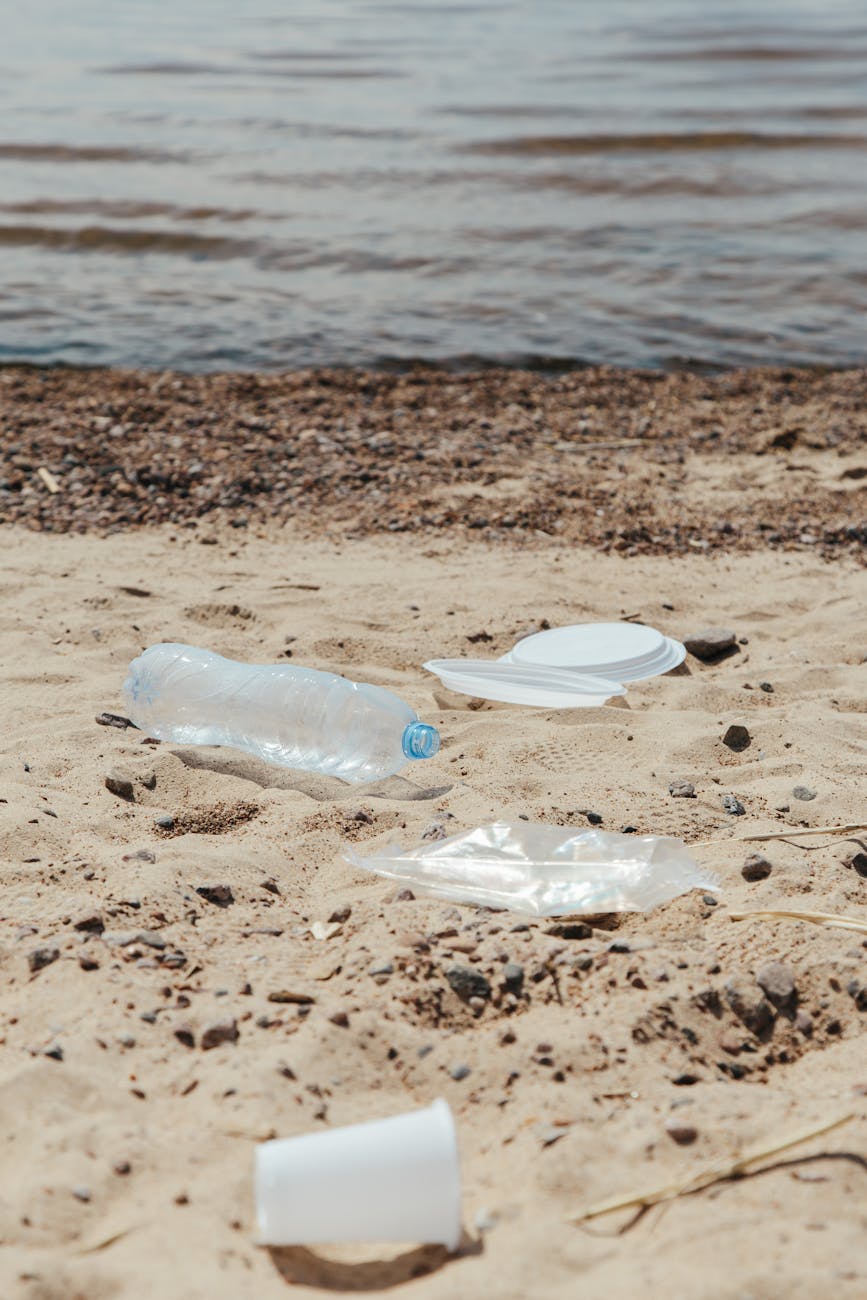
Plastic has become one of the most widely used materials in the modern world. Lightweight, durable, and cheap, it is found in almost every aspect of our daily lives. However, this convenience comes at a massive cost: plastic pollution. Our oceans, rivers, and lakes are drowning in discarded plastic, and the consequences for ecosystems, wildlife, and human health are alarming. In this blog, we’ll explore the impact of plastic pollution on water systems, its ripple effects across the planet, and the urgent actions needed to address this crisis.
🗑️ The Scale of the Problem
- An estimated 8–10 million tons of plastic enter the oceans every year.
- Over 75% of marine litter is made of plastic.
- Rivers are major pathways: The top 10 most polluted rivers carry up to 90% of ocean plastics.
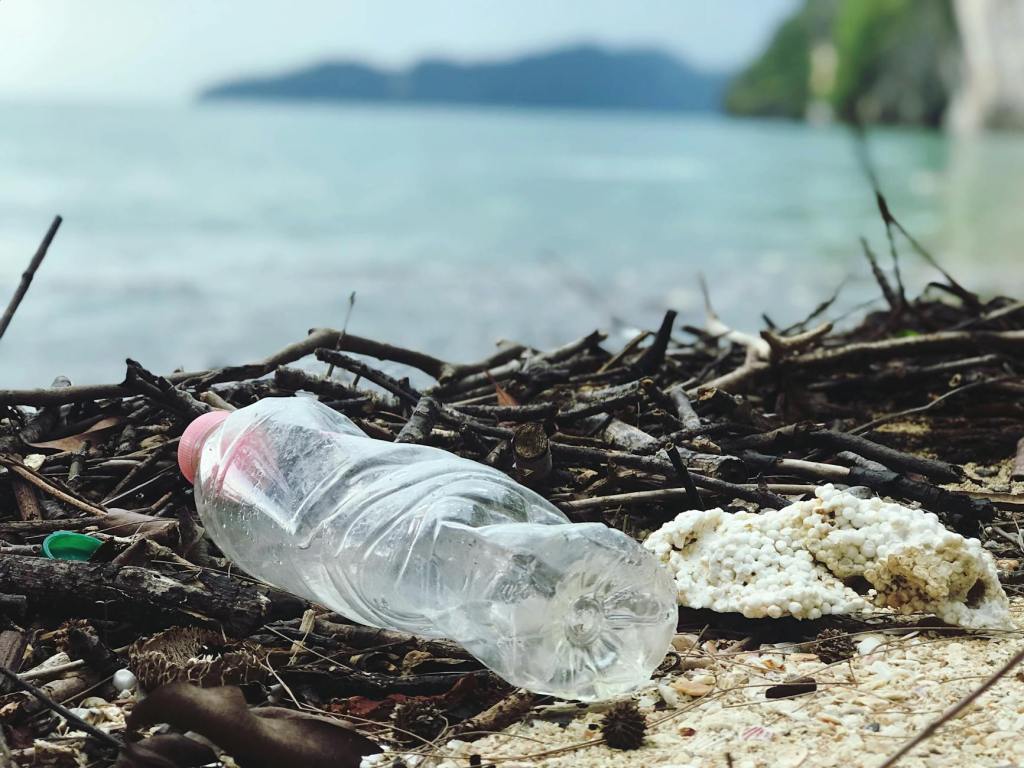
From microplastics to massive “garbage patches,” plastic pollution has reached every corner of the Earth — from the deepest ocean trenches to remote mountain lakes.
🌍 Impacts on Oceans
- Marine Life at Risk
- Sea turtles mistake plastic bags for jellyfish and choke.
- Seabirds ingest plastic particles, which accumulate in their stomachs and cause starvation.
- Fish and marine mammals become entangled in fishing nets and debris.
- Microplastics in the Food Chain
Larger plastics break down into microplastics, which are ingested by plankton and small fish. These particles move up the food chain, eventually reaching humans who consume seafood. - Ocean Ecosystems Disrupted
Coral reefs, already threatened by climate change, face additional stress from plastic waste that blocks sunlight and spreads harmful bacteria.
💧 Impacts on Freshwater Systems
- River Blockages
Plastic waste clogs waterways, causing flooding in cities during heavy rains. - Pollution of Drinking Water
Studies reveal microplastics in tap water and bottled water worldwide. While health impacts are still being studied, the potential risks are concerning. - Freshwater Wildlife
Fish, amphibians, and birds that depend on rivers and lakes ingest plastic particles, leading to injury and death.
⚠️ Human Health Concerns
Plastic pollution is not just an environmental issue — it affects people directly:
- Toxic Chemicals: Plastics release harmful chemicals like BPA and phthalates into water sources.
- Microplastics in Food and Water: Scientists estimate that humans consume tens of thousands of microplastic particles each year.
- Long-Term Risks: While research is ongoing, plastic-linked toxins are associated with hormonal disruption, developmental issues, and even cancer.
📚 Case Studies
- Great Pacific Garbage Patch: A floating island of plastic waste in the Pacific Ocean, now estimated to cover an area three times the size of France.
- River Ganges, India: One of the most polluted rivers in the world, carrying vast amounts of plastic waste into the Bay of Bengal.
- Lake Victoria, Africa: Plastic waste disrupts fishing livelihoods and contaminates freshwater sources.
🌱 Solutions to Plastic Pollution
- Reduce – Avoid single-use plastics such as straws, bags, and bottles.
- Reuse – Choose reusable containers, water bottles, and shopping bags.
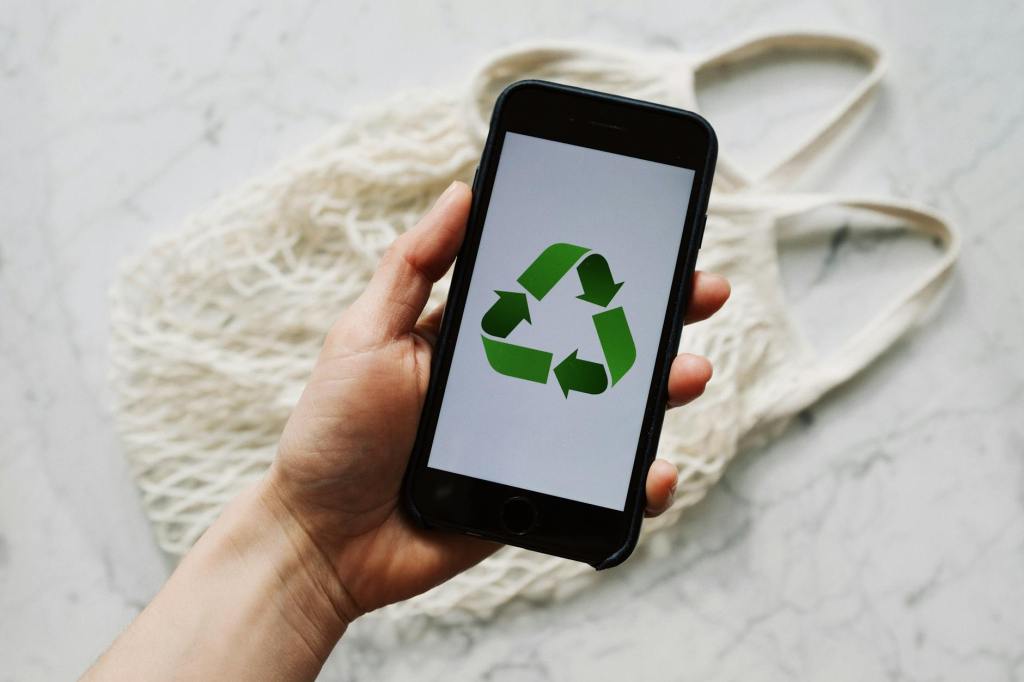
- Recycle – Support efficient recycling systems, though global recycling rates remain low.
- Innovate – Biodegradable plastics, edible packaging, and circular economy models offer hope.
- Legislation – Bans on plastic bags and single-use items in many countries have already reduced waste.
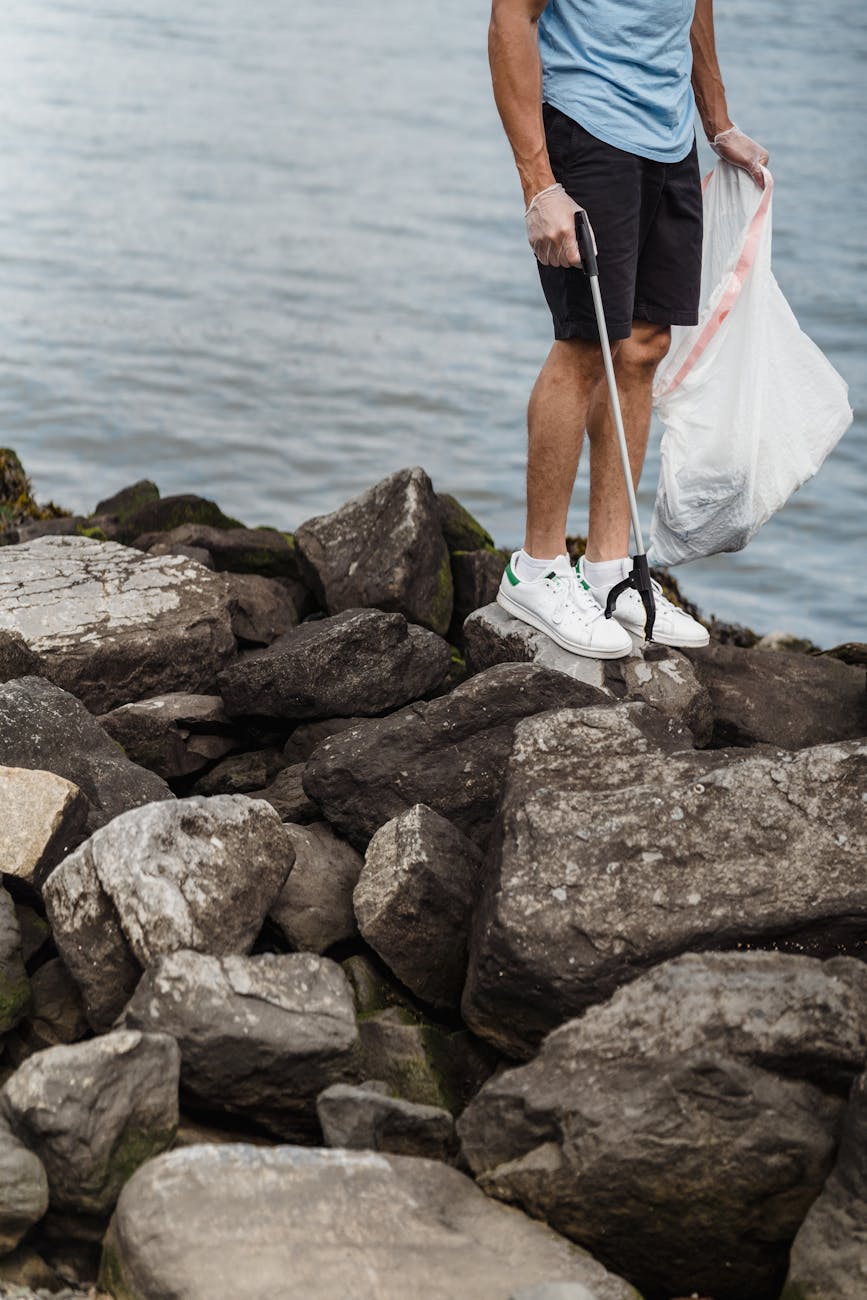
- Community Action – River clean-ups, beach clean-ups, and grassroots campaigns create immediate local impact.
🌐 The Role of Individuals and Communities
Every individual can make a difference:
- Carry a reusable bottle and bag.
- Refuse unnecessary plastic packaging.
- Participate in local clean-up activities.
- Educate others about the dangers of plastic pollution.
Communities can amplify these efforts by advocating for stronger policies, supporting eco-friendly businesses, and creating plastic-free zones.
✅ Final Thought
Plastic pollution is one of the defining environmental challenges of our time. Its impact on oceans and freshwater systems threatens biodiversity, food security, and human health. But change is possible. By rethinking our relationship with plastic and taking collective action, we can protect the world’s water systems and create a healthier planet for future generations.


 Water Pubs – Knowledge, Insights & Awareness
Leave a comment