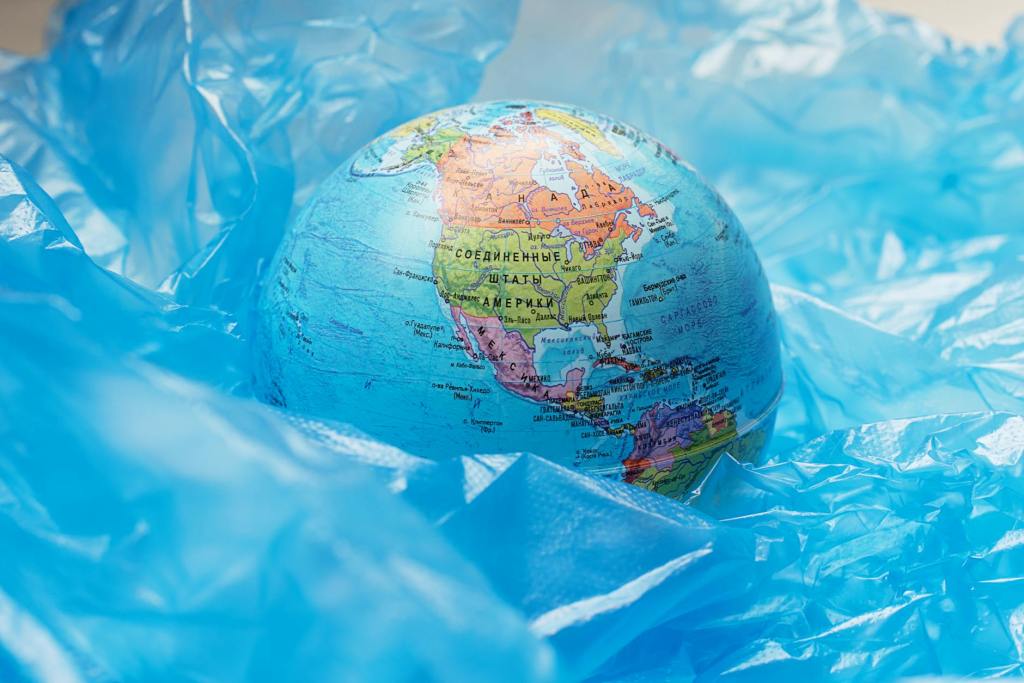
Water is the foundation of life, yet billions of people around the world face daily struggles to access clean and safe water. While water covers about 70% of the Earth’s surface, only a tiny fraction — less than 1% — is readily available as freshwater for human use. Growing populations, pollution, and climate change are intensifying the crisis, making water one of the most pressing global challenges of the 21st century. In this blog, we’ll explore the causes of the global water crisis, its consequences, and the solutions that could shape a sustainable future.
🌍 The Scale of the Global Water Crisis
- Water Scarcity
- Over 2 billion people live in water-stressed countries.
- By 2050, half the world’s population may experience severe water shortages.
- Unsafe Drinking Water
- Around 2 billion people lack access to safely managed drinking water services.
- Waterborne diseases like cholera and diarrhea kill hundreds of thousands annually.
- Sanitation Challenges
- Nearly 3.5 billion people do not have access to safe sanitation facilities, increasing health risks.
- Climate Change Impact
- More frequent droughts, floods, and unpredictable rainfall disrupt water supplies globally.
⚠️ Key Challenges Driving the Crisis
- Population Growth
Rising global populations increase demand for food, energy, and water. - Pollution
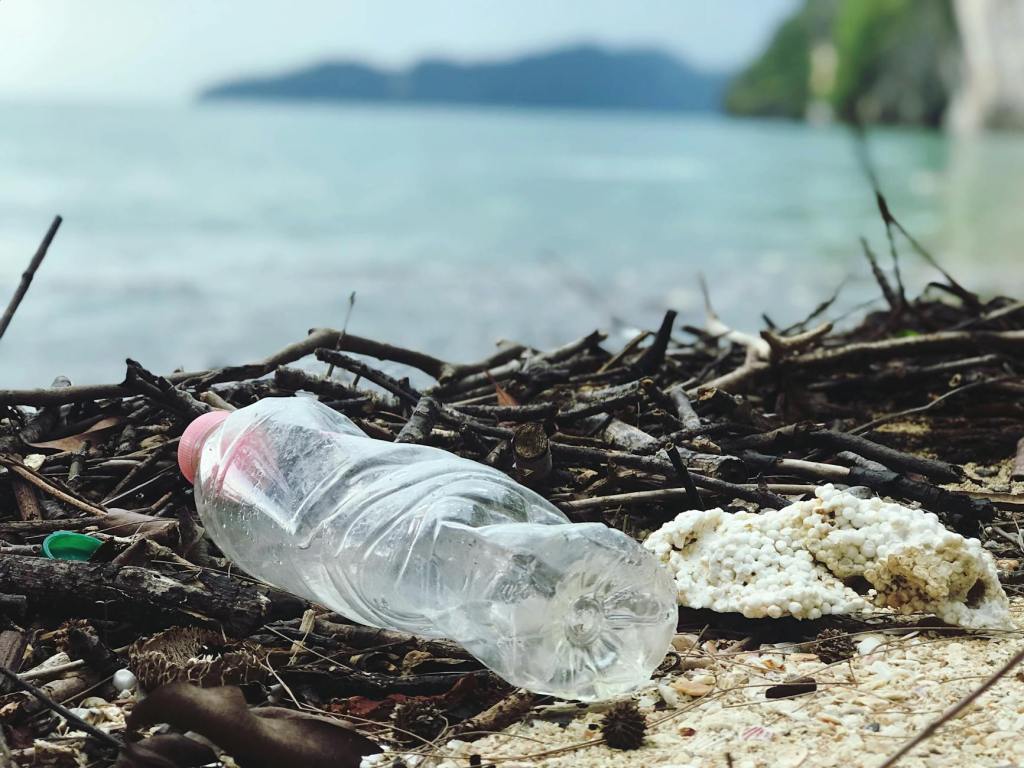
Industrial waste, agricultural runoff, and plastic pollution contaminate freshwater supplies. - Inefficient Water Use
Agriculture consumes 70% of freshwater, but much is lost through inefficient irrigation systems. - Urbanization
Growing cities strain water infrastructure, leading to shortages and inequitable access. - Political and Economic Inequality
Poor governance and lack of investment leave vulnerable communities without reliable water services.
📚 Case Studies
- Cape Town, South Africa (2018) – The city nearly ran out of water during its “Day Zero” crisis, forcing strict rationing.
- Middle East and North Africa – One of the most water-scarce regions, facing growing instability linked to water shortages.
- Flint, Michigan, USA – A developed country case where lead-contaminated water highlighted issues of inequality and poor infrastructure.
🌱 Solutions for the Future
- Improving Efficiency in Agriculture
- Drip irrigation and precision farming reduce water waste.
- Developing drought-resistant crops ensures food security with less water.
- Investment in Infrastructure
- Modernizing water supply systems to reduce leaks and improve delivery.
- Expanding wastewater treatment and reuse.
- Water Purification Innovations
- Affordable filters, reverse osmosis, and solar-powered purification bring clean water to underserved areas.
- Policy and Governance
- Equitable water-sharing agreements between countries.
- Stronger regulations to prevent industrial and agricultural pollution.
- Community-Led Initiatives
- Grassroots projects like rainwater harvesting and water committees empower local populations.
- Climate Adaptation
- Building resilience through flood defenses, drought planning, and ecosystem restoration.
🌐 The Role of Individuals
While the global water crisis requires systemic solutions, individuals can contribute:
- Conserve water at home with efficient fixtures and mindful use.
- Support NGOs and charities working on water access.
- Reduce water footprints by eating less meat and avoiding waste.
- Advocate for water as a human right.
✅ Final Thought
The global water crisis is not a distant threat — it is already here. From drought-stricken farms to polluted city pipes, billions are affected. Yet solutions exist. By combining technology, policy reform, community empowerment, and individual responsibility, we can overcome this challenge. The future of humanity depends on how we value and manage water today.





 Water Pubs – Knowledge, Insights & Awareness
Leave a comment